

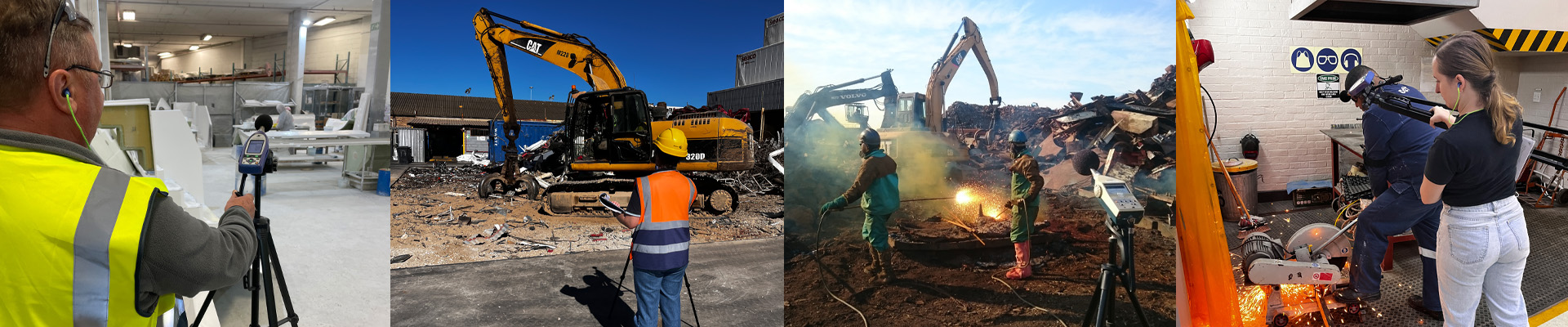
Occupational noise exposure is one of the most widespread health risks in industry, affecting workers across diverse sectors. High noise environments cause irreversible damage to the inner ear, leading to Noise-Induced Hearing Loss (NIHL), tinnitus, and heightened safety risks due to impaired communication. Performing quantitative noise evaluations enables organisations to accurately map high-risk areas and protect employee health.
- Legislation & Requirements: Under the Noise Exposure Regulations, 2024 (OHS Act No. 85 of 1993), noise monitoring is a legal requirement in working environments where noise levels reach or exceed the statutory limit of 85 dB(A). Risk assessments and exposure monitoring must be repeated at least every 24 months.
- Applicable Standards: Noise assessments are conducted according to SANS 10083:2023 (The Measurement and Assessment of Occupational Noise for Hearing Conservation Purposes).
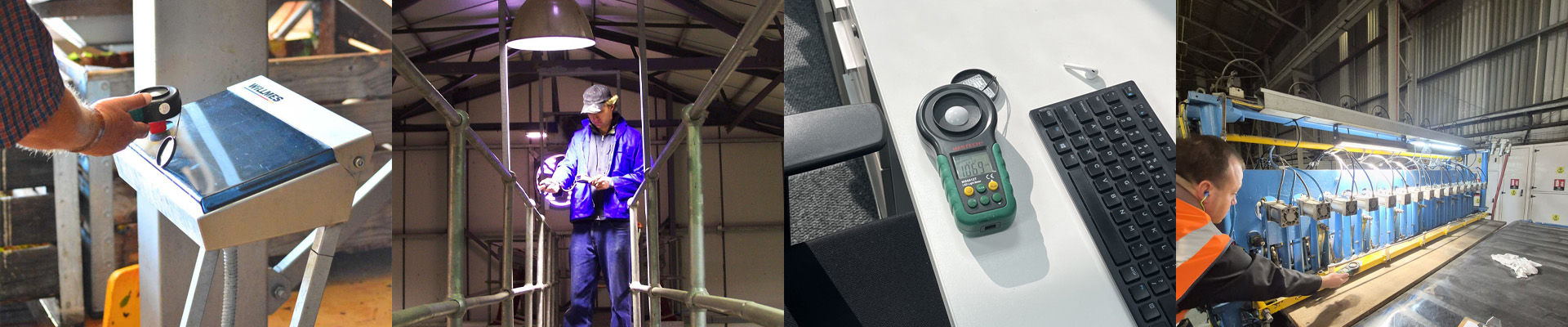
Adequate illumination is essential in all workplace environments to ensure safety, visual comfort, and operational accuracy. Substandard lighting, excessive glare, or stroboscopic flicker causes eye strain, physical fatigue, headaches, and significantly increases error rates and safety incidents. Day and night surveys evaluate light distribution across all operational shifts.
- Legislation & Requirements: In terms of Regulation 11 of the Physical Agents Regulations, 2024 (OHS Act No. 85 of 1993), illumination risk assessments and lighting surveys are required at baseline and must be reviewed at least every 24 months, or whenever task requirements or light fittings are modified.
Applicable Standards: Illumination surveys are conducted according to SANS 10114-1:2020 (Interior Lighting – Part 1: Artificial Lighting of Interiors).
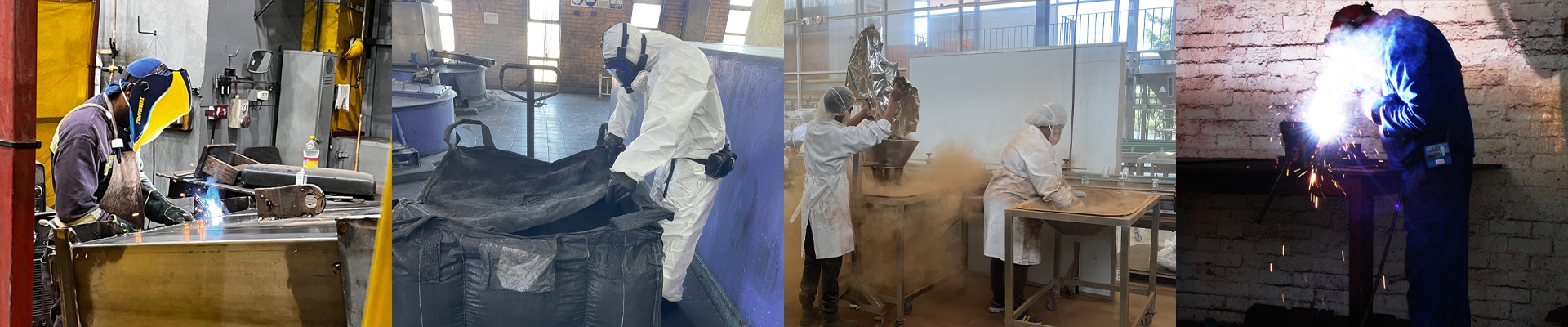
Hazardous Chemical Agents – including toxic, corrosive, irritant, or asphyxiant substances – are present in workplaces as airborne dusts, fumes, vapours, mists, and gases. Although dermal contact and ingestion are factored into overall risk, inhaling airborne contaminants represents the primary pathway for both acute conditions – such as asphyxiation and irritation – and chronic illnesses, including occupational asthma, organ damage, and systemic toxicity. Exposure monitoring quantifies airborne concentrations to verify that engineering controls remain effective, compare exposure levels against statutory Occupational Exposure Limits (OELs), and ensure concentrations remain at safe levels to prevent occupational disease.
- Legislation & Requirements: Under the Hazardous Chemical Agents Regulations, 2021 (OHS Act No. 85 of 1993), exposure monitoring programmes for Table 2 and Table 3 HCA substances must be conducted at least every 24 months (with respirable crystalline silica requiring 6-monthly reporting to the Department of Employment and Labour).
- Applicable Standards: Chemical exposure sampling is performed in accordance with internationally validated methodologies, including NIOSH, OSHA, and HSE standards.

Lead is a known carcinogen and potent toxic metal that accumulates in human bone and tissue. Exposure to either organic lead (such as tetra-ethyl lead) or inorganic lead (dusts/fumes) can result in severe central nervous system damage, kidney disease, anemia, hypertension, and reproductive toxicity. Quantitative exposure monitoring is essential to prevent lead poisoning and manage health risks.
- Legislation & Requirements: Under the Lead Regulations, 2002 (OHS Act No. 85 of 1993), an official measurement programme is legally required if airborne exposure to lead exceeds half the Occupational Exposure Limit (OEL): 0.10 mg/m³ for tetra-ethyl lead and 0.15 mg/m³ for other lead forms. Monitoring must be repeated at least every 24 months.
- Applicable Standards: Lead monitoring is performed in accordance with HSG 173 (Monitoring Strategies for Toxic Substances) and SANS 6164:2009 (Determination of Lead in Workplace Air).

Inhaling airborne asbestos fibers poses severe long-term health risks, causing incurable conditions such as Mesothelioma (cancer of the lining of the lungs and abdomen), asbestosis, and lung cancer. Because symptoms typically manifest 20 to 50 years post-exposure, maintaining an active inventory register and performing air monitoring are critical whenever asbestos-containing materials (ACMs) are present.
- Legislation & Requirements:
- Under the Asbestos Abatement Regulations, 2020 (OHS Act No. 85 of 1993), workplaces with asbestos-containing materials (ACMs) must maintain an asbestos inventory, risk assessment, and management plan.
- The risk assessment and inventory must be reviewed at least every 6 years (or sooner if ACM conditions deteriorate), while the management plan requires review every 2 years.
- Building owners and employers are legally required to develop Asbestos Management Plans and submit approved Asbestos Work Plans prior to undertaking any removal, repair, or maintenance activities – services our qualified team can fully assist you in drafting, implementing, and managing.
Air monitoring is legally required during asbestos removal, repair, maintenance work, and clearance testing prior to site re-occupancy.
Applicable Standards: Asbestos fiber sampling and analysis are executed in accordance with HSG 248 (Asbestos: The Analyst’s Guide for Sampling, Analysis and Clearance Procedures).
- For educational resources on asbestos hazards and mesothelioma, visit Mesothelioma Resource Center.

Extreme thermal conditions overload the human thermoregulatory system. High heat stress causes heat exhaustion, heat stroke, dehydration, and reduced alertness, while excessive cold exposure leads to hypothermia, frostbite, and loss of manual dexterity. Thermal stress evaluations assess workplace heat and cold exposure to ensure safe work-rest regimes are established and maintained.
- Legislation & Requirements: Under Regulations 9 and 10 of the Physical Agents Regulations, 2024 (OHS Act No. 85 of 1993), thermal stress risk assessments and monitoring must be reviewed at least every 24 months, or whenever working environments or physical exertion requirements significantly change.
- Applicable Standards: Heat stress evaluations are performed in accordance with SANS 7423:2021 / ISO 7243 (Ergonomics of the Thermal Environment – Assessment of Heat Stress using the WBGT Index).
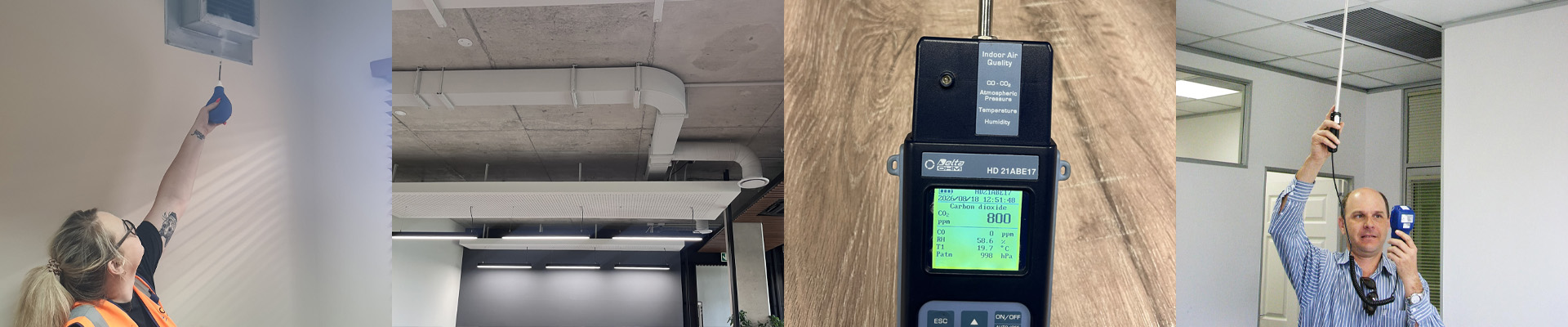
Substandard indoor air quality in commercial or office environments compromises occupant comfort and often leads to Sick Building Syndrome (SBS)—a condition marked by headaches, respiratory irritation, fatigue, and reduced productivity. Routine monitoring of parameters such as Carbon Dioxide (), Carbon Monoxide (), relative humidity, and temperature ensures a healthy, comfortable working environment and adequate ventilation rates.
- Legislation & Requirements: Under Regulation 12 of the Physical Agents Regulations, 2024 (OHS Act No. 85 of 1993), IAQ evaluations and risk assessments must be conducted at least every 24 months, or immediately following occupant complaints, ventilation modifications, or building refurbishments.
- Applicable Standards: Indoor air monitoring is executed according to international indoor environmental quality protocols. Where indicated, additional testing may include microbial activity, Legionella, Volatile Organic Compounds (VOCs), and other airborne contaminants.
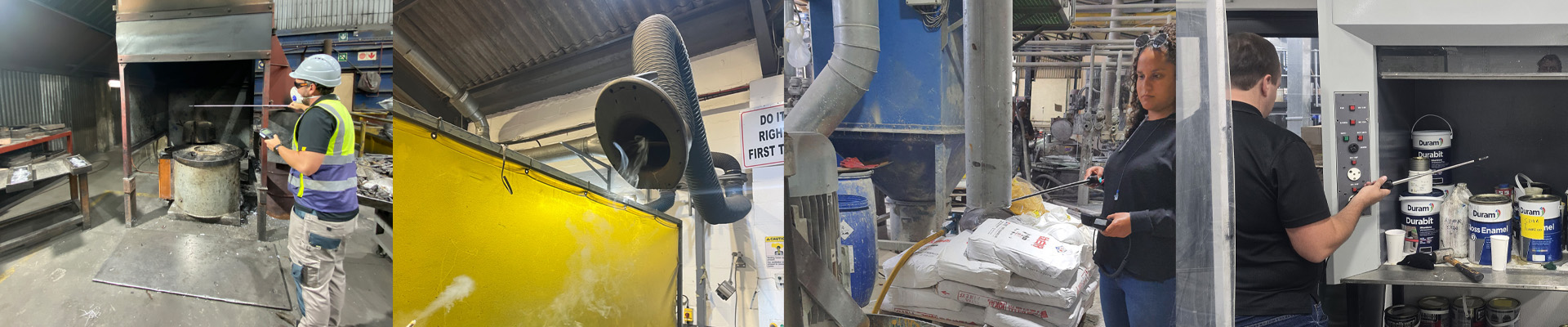
Effective ventilation supplies fresh air and extracts hazardous airborne contaminants (dusts, fumes, toxic vapors) at the source. Malfunctioning or poorly designed ventilation systems allow dangerous chemicals to accumulate, leading to severe respiratory illnesses, toxic exposure, and potential fire or explosion risks.
- Legislation & Requirements: Under the Physical Agents Regulations, 2024 and the Hazardous Chemical Agents Regulations, 2021 (OHS Act No. 85 of 1993), local exhaust ventilation (LEV) systems, extraction hoods, and general dilution ventilation must undergo risk assessment and performance monitoring at least every 24 months.
- Applicable Standards: Ventilation performance is evaluated in accordance with SANS 10400-O (Part O: Lighting and Ventilation), HSG 258 (Controlling Airborne Contaminants at Work: LEV Guide), and ANSI/ASHRAE Standard 110-2016 (Fume Hood Performance).
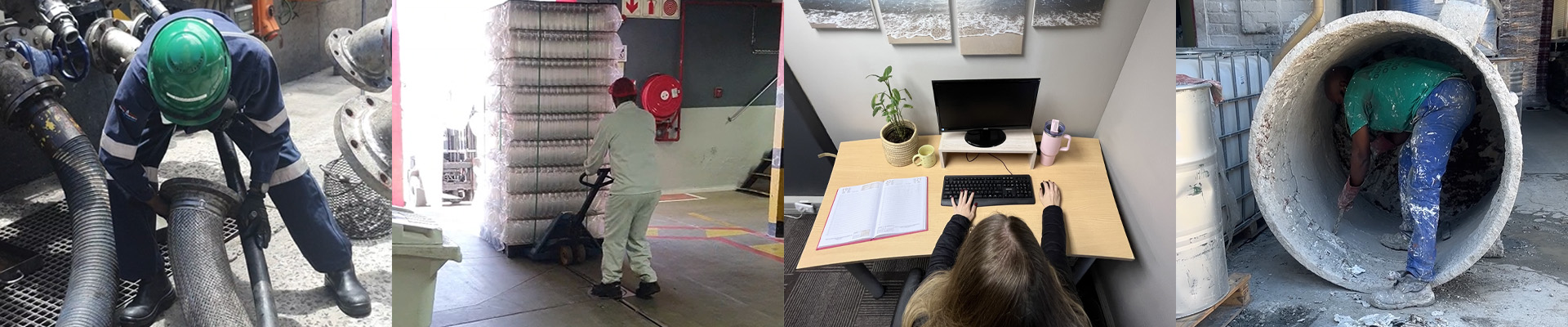
Ergonomics is an applied science concerned with optimising the interaction between people and their workspaces, tools, tasks, and equipment. While physical ergonomics addresses factors like awkward postures, repetitive movements, manual material handling, and inadequate workstation setups that cause Musculoskeletal Disorders (MSDs) and chronic strain, ergonomics also evaluates cognitive and psychosocial domains – such as workload, job design, organisational stress, and shift patterns – to protect overall employee health and well-being.
- Legislation & Requirements: Under the Ergonomics Regulations, 2019 (OHS Act No. 83 of 1993), Baseline Ergonomic Risk Assessments are legally required for all workplaces and must be reviewed at least every 24 months, or immediately when tasks, equipment, or work layouts undergo significant changes.
- Applicable Standards: Ergonomic assessments are performed using recognised, standardised assessment methodologies (such as RULA, REBA, and the NIOSH Lifting Equation).
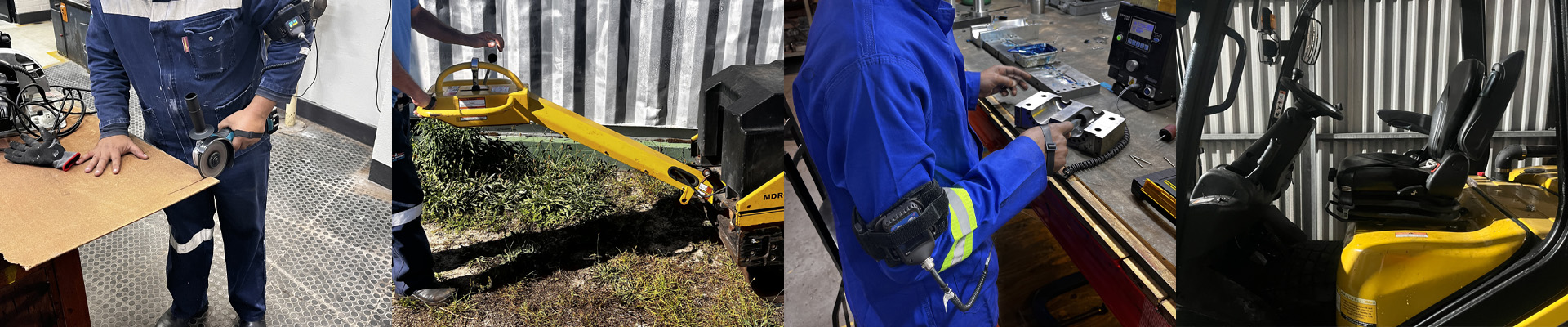
Vibration risk assessments determine the level of hand-arm or whole-body vibration exposure to evaluate potential health risks to workers operating heavy machinery or vibrating power tools. Hand-Arm Vibration (HAV) can cause Hand-Arm Vibration Syndrome (HAVS) and neurological damage, while Whole-Body Vibration (WBV) from heavy mobile equipment leads to spinal strain and chronic lower back disorders.
- Legislation & Requirements: Under Regulation 13 of the Physical Agents Regulations, 2024 (OHS Act No. 85 of 1993), risk assessments and vibration monitoring must be conducted at least every 24 months where machinery or tool usage exceeds statutory exposure thresholds.
- Applicable Standards: Vibration exposures are measured and evaluated in accordance with SANS 2631-1:1997 (Evaluation of Human Exposure to Whole-Body Vibration) and SANS 5349 / ISO 5349 (Measurement and Evaluation of Human Exposure to Hand-Transmitted Vibration).
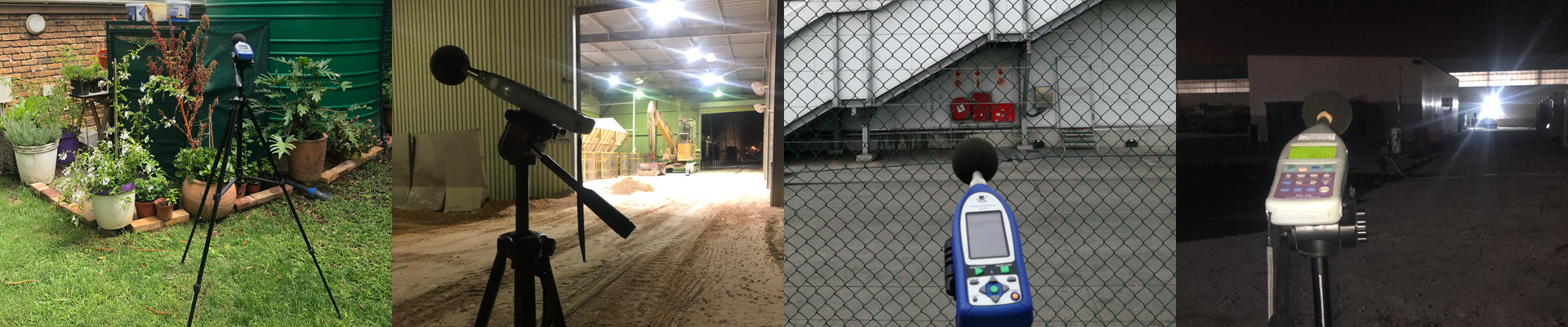
Environmental noise measurements quantify boundary noise emissions to prevent community annoyance surrounding industrial facilities, refineries, mines, entertainment venues, and commercial establishments.
- Requirements: Boundary noise levels are quantified separately during daytime hours (06:00 – 22:00) and night-time hours (22:00 – 06:00).
- Applicable Standards: Environmental noise testing is conducted in accordance with SANS 10103:2008 (The Measurement and Rating of Environmental Noise with Respect to Annoyance and to Speech Communication).
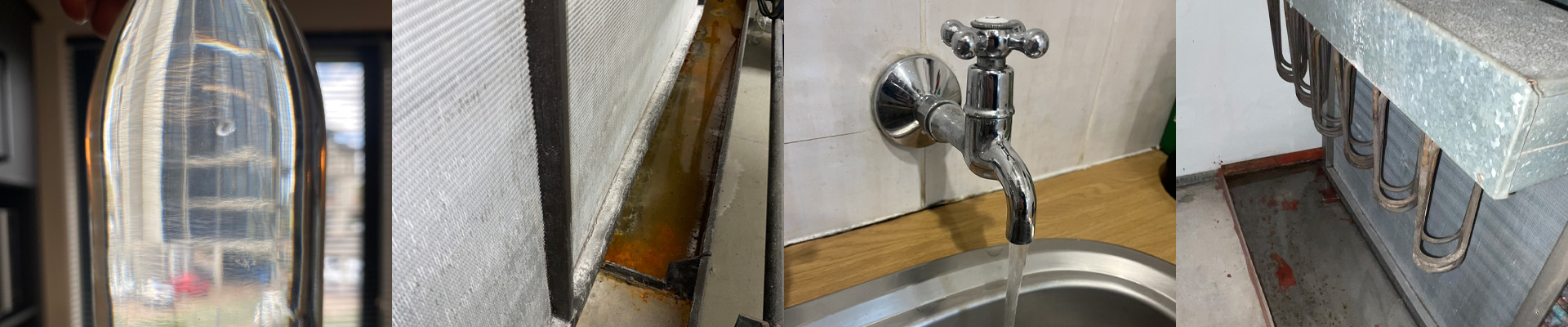
Full-scope water sampling services are conducted across industrial, commercial, and mining facilities to detect potential contaminants and ensure compliance with health and environmental regulations.
- Scope & Requirements: Services include drinking (potable) water testing for worker health protection, stormwater testing to assess surface runoff quality, and trade effluent testing to fulfill municipal discharge bylaws.
- Applicable Standards: Water sampling is executed using internationally recognised collection protocols, with samples submitted to a SANAS-accredited laboratory for analysis.
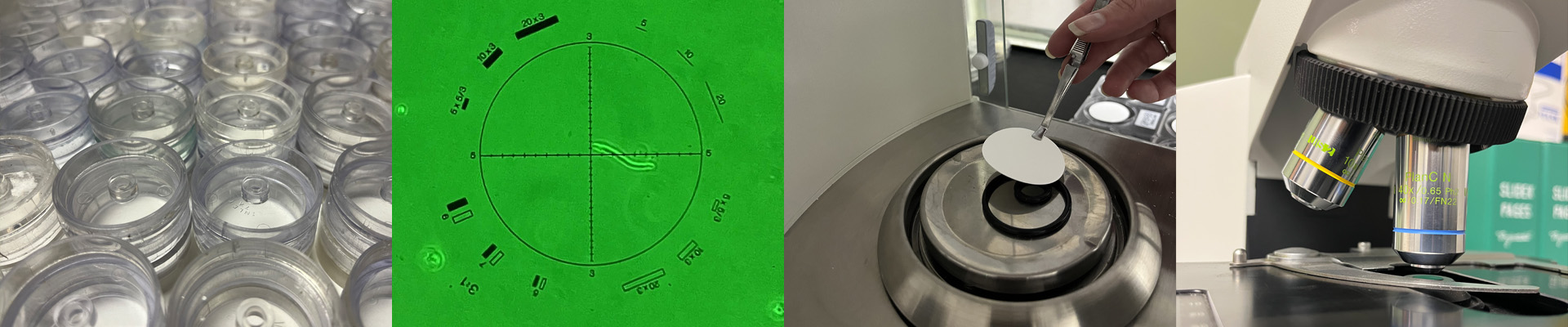
The following analytical procedures are performed in-house to maintain rapid turnaround times:
- Gravimetric analysis of airborne dust and fume filter samples.
- Evaluation, sizing, and counting of airborne asbestos fibers by Phase Contrast Microscopy (PCM) are conducted in-house in accordance with HSG 248 (Asbestos: The Analyst’s Guide for Sampling, Analysis and Clearance Procedures).
All specialised chemical concentrations and biological analyses are processed through SANAS-accredited testing laboratories:
- Chemical Analysis: Quantifying caustic dusts, inorganic acid mists, gases, heavy metals, crystalline silica quartz, welding fumes, and Volatile Organic Compounds (VOCs).
- Bulk Material Analysis: Identification and characterisation of asbestos fibers in bulk samples.
- Microbiological Testing: Processing surface swabs and agar settling plates for Total Microbial Activity (TMA), yeasts, and molds.
- Water Analysis: Comprehensive bacteriological composition, chemical concentration, and Legionella pneumophila testing.